Dorcas Gazelle
The Dorcas Gazelle, known scientifically as Gazella dorcas, is a species of gazelle that can be found in various regions across North Africa and the Middle East, including Egypt. In this essay, we will delve into 10 key outlines about the Dorcas Gazelle in Egypt, exploring its habitat, behavior, conservation status, and significance in Egyptian culture and history.
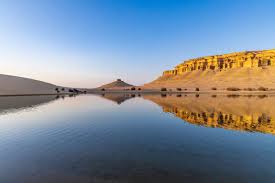
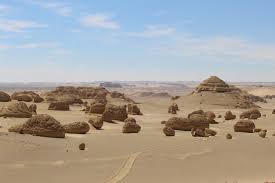
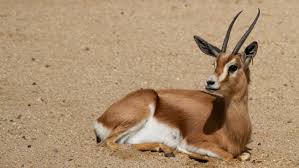
To begin, the Dorcas Gazelle is a small, slender gazelle with a distinctive reddish-brown coat and white underparts. It is well-adapted to the desert environment, with large, dark eyes that provide excellent vision and allow it to detect predators from afar. The gazelle’s long, slender legs enable it to run at high speeds to escape from predators such as wolves, foxes, and eagles. In Egypt, the Dorcas Gazelle can be found in desert and semi-desert regions, where it feeds on a diet of grasses, leaves, and shoots.
One of the key characteristics of the Dorcas Gazelle is its social behavior. These gazelles are typically found in small herds or groups, led by a dominant male known as a “buck.” The male gazelles use their horns to establish dominance within the group and defend their territory from rival males. During the breeding season, which typically occurs in the winter months, male gazelles engage in elaborate displays of leaping and chasing to attract females and establish mating rights.
Despite its adaptability and resilience, the Dorcas Gazelle faces numerous threats in Egypt, including habitat loss, poaching, and competition with domestic livestock. The expansion of agriculture and urban development has led to the destruction of the gazelle’s natural habitat, forcing them to migrate to more remote areas in search of food and water. Poaching for meat and trophies is another significant threat to the survival of the Dorcas Gazelle in Egypt, as their populations have been decimated by illegal hunting.
In response to these threats, conservation efforts have been implemented to protect the Dorcas Gazelle in Egypt. National parks and protected areas have been established to provide a safe haven for gazelles and other wildlife, where they can roam freely without fear of human interference. Conservation organizations work tirelessly to raise awareness about the plight of the Dorcas Gazelle and enact measures to prevent poaching and habitat destruction. By monitoring gazelle populations, conducting research on their behavior, and implementing conservation strategies, efforts are being made to ensure the long-term survival of the species in Egypt.
The Dorcas Gazelle holds special significance in Egyptian culture and history, where it is revered as a symbol of grace, beauty, and resilience. In ancient Egyptian art and mythology, gazelles were often depicted as symbols of fertility, abundance, and the cycle of life and death. The gazelle’s graceful movements and elegant appearance have inspired poets, artists, and musicians throughout the centuries, who have immortalized the animal in their works.
In conclusion, the Dorcas Gazelle is a fascinating and iconic species that plays a vital role in the ecosystem of Egypt. As a symbol of the country’s rich biodiversity and natural heritage, the gazelle deserves our admiration and protection. By raising awareness about the threats facing the Dorcas Gazelle and taking action to conserve its habitat, we can ensure that future generations will have the opportunity to marvel at this majestic creature in the wilds of Egypt.