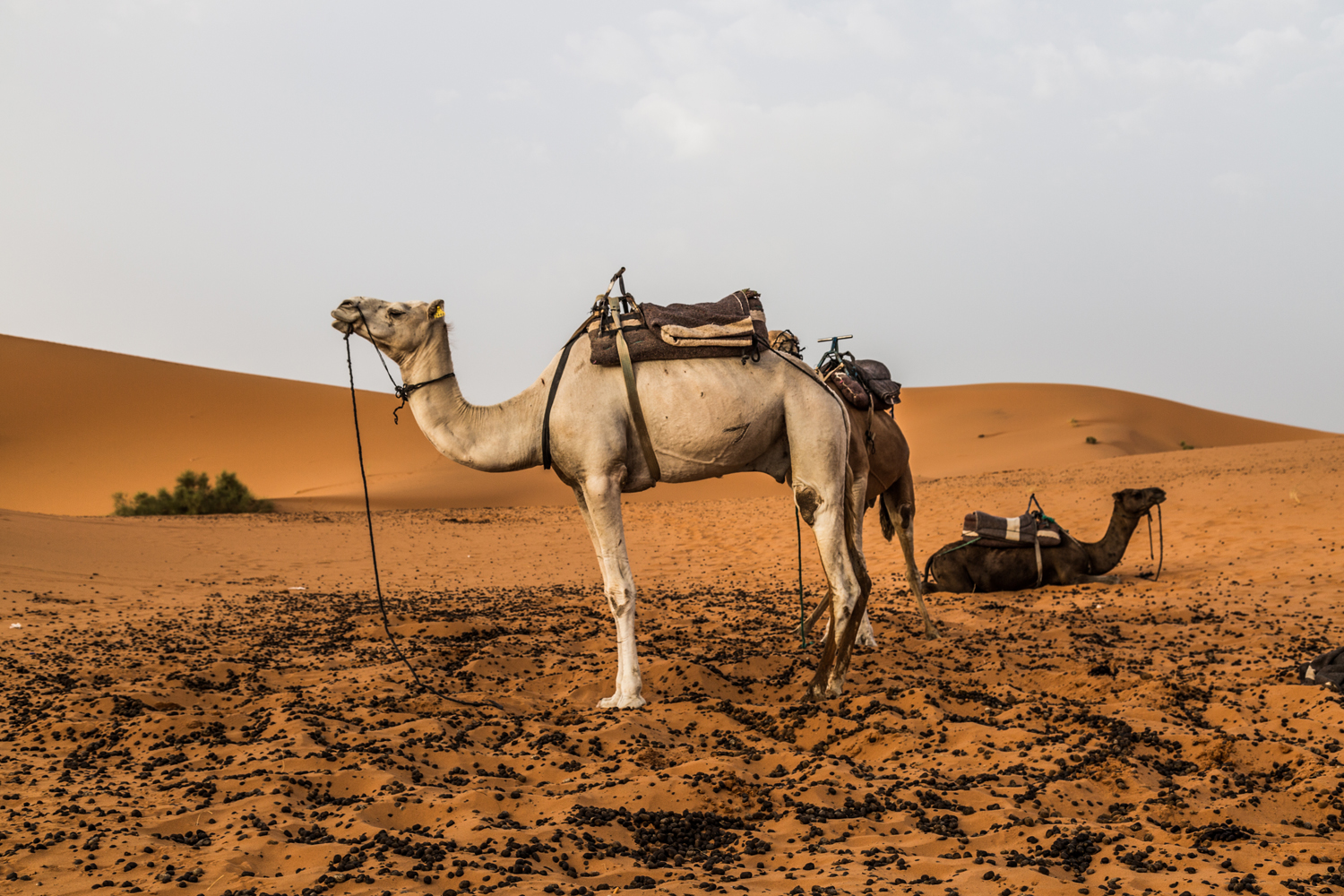
The Sand Cat, also known as Felis margarita, is a small wild cat native to the deserts of North Africa and Southwest Asia. In Egypt, the Sand Cat has been a subject of fascination and study for many researchers and conservationists. The historical context of the Sand Cat in Egypt dates back centuries, with mentions of the elusive feline in ancient Egyptian mythology and hieroglyphics.
Throughout history, the Sand Cat has been revered for its ability to thrive in harsh desert environments and its stunning beauty. In ancient Egyptian mythology, the Sand Cat was associated with the goddess Bastet, who was often depicted as a lioness or domestic cat. Bastet was the goddess of home, fertility, and protection, and was believed to protect against evil spirits and disease. The Sand Cat, with its graceful movements and mysterious demeanor, was seen as a symbol of Bastet’s power and protection.
In modern times, the Sand Cat in Egypt has faced numerous challenges, including habitat loss, poaching, and human-wildlife conflict. Conservation efforts have been put in place to protect the species and its fragile desert habitats. One of the key figures in the conservation of the Sand Cat in Egypt is Dr. Hany El-Sekaly, a renowned wildlife biologist and conservationist. Dr. El-Sekaly has dedicated his career to studying and protecting the Sand Cat, conducting research on its behavior, ecology, and population dynamics.
Dr. El-Sekaly’s work has shed light on the important role that Sand Cats play in desert ecosystems, as well as the threats they face from human activities. His research has informed conservation strategies to protect the species and its habitats, including establishing protected areas and raising awareness about the importance of preserving biodiversity in Egypt’s deserts.
In addition to Dr. El-Sekaly, there are other influential individuals who have contributed to the field of Sand Cat conservation in Egypt. Dr. Nabil M. Ali, a wildlife biologist and researcher, has conducted groundbreaking studies on the genetics and population dynamics of Sand Cats in Egypt. His research has provided valuable insights into the genetic diversity and connectivity of Sand Cat populations, informing conservation efforts to ensure the long-term survival of the species.
Despite the efforts of dedicated researchers and conservationists, the Sand Cat in Egypt still faces significant challenges. Habitat loss due to human development, poaching for the illegal wildlife trade, and climate change pose threats to the species’ survival. Without continued conservation efforts and community engagement, the Sand Cat in Egypt risks extinction in the wild.
Looking ahead, there is hope for the future of the Sand Cat in Egypt. Continued research, monitoring, and conservation efforts are crucial to ensuring the long-term survival of the species and its desert habitats. Engaging local communities in conservation initiatives, raising awareness about the importance of biodiversity, and implementing sustainable land management practices are key strategies to protect the Sand Cat and other desert wildlife species.
In conclusion, the Sand Cat in Egypt holds a special place in the country’s natural heritage, with a rich history and cultural significance. While the species faces challenges, there is hope for its conservation and future survival. Through collaboration, research, and community engagement, we can work together to protect the Sand Cat and ensure its presence in Egypt’s deserts for generations to come.