Indo-Pacific Humpback Dolphin
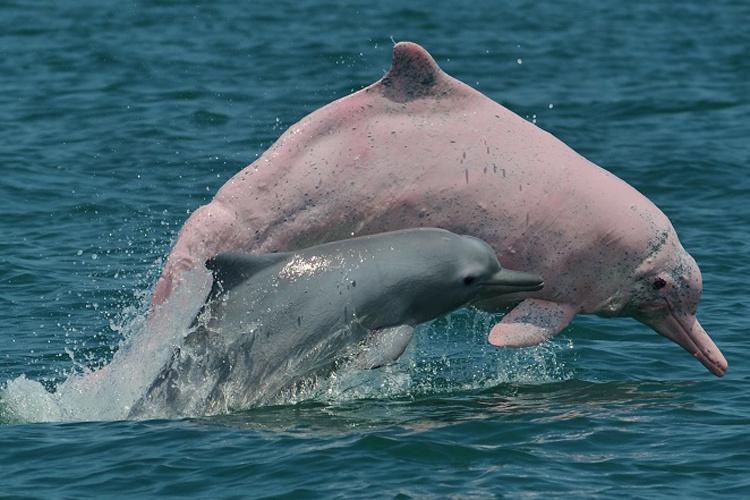
The Indo-Pacific Humpback Dolphin is a fascinating marine mammal that can be found in the waters off the coast of Egypt. These dolphins are known for their unique hump-shaped dorsal fin, elongated beak, and pinkish-gray coloration. They are often spotted in shallow coastal waters, estuaries, and river mouths, where they feed on fish and crustaceans.
Historically, the presence of the Indo-Pacific Humpback Dolphin in Egypt dates back to ancient times, where they were revered by the Egyptians for their grace and beauty. These dolphins were often depicted in ancient Egyptian artwork, where they were associated with the gods and goddesses of the Nile River.
In recent years, the Indo-Pacific Humpback Dolphin population in Egypt has faced numerous challenges, including habitat loss, pollution, and accidental entanglement in fishing gear. These dolphins are currently classified as vulnerable by the International Union for Conservation of Nature (IUCN), with their population size estimated to be declining.
Several key figures have played a role in studying and protecting the Indo-Pacific Humpback Dolphin in Egypt. One of these individuals is Dr. Samiha Ahmed, a marine biologist who has conducted extensive research on the behavior and ecology of these dolphins. Dr. Ahmed’s work has helped to increase our understanding of the threats facing the Indo-Pacific Humpback Dolphin population in Egypt and has informed conservation efforts.
Another influential figure in the field of Indo-Pacific Humpback Dolphin conservation in Egypt is Dr. Mohamed El-Habibi, a marine mammal veterinarian who has worked tirelessly to rescue and rehabilitate injured dolphins. Dr. El-Habibi’s efforts have led to the successful release of several dolphins back into the wild, highlighting the importance of wildlife rehabilitation in conservation efforts.
Despite the efforts of individuals like Dr. Ahmed and Dr. El-Habibi, the Indo-Pacific Humpback Dolphin population in Egypt continues to face challenges. Pollution from coastal development and shipping traffic poses a significant threat to these dolphins, as it can lead to habitat degradation and the accumulation of toxins in their food supply.
Additionally, accidental entanglement in fishing gear remains a major concern for the Indo-Pacific Humpback Dolphin population in Egypt. Dolphins can become trapped in nets and lines while foraging for food, leading to injuries or death. Conservationists are working to raise awareness among local fishermen about the importance of using dolphin-friendly fishing practices to reduce these incidents.
Looking towards the future, there is hope that continued research and conservation efforts will help to protect the Indo-Pacific Humpback Dolphin population in Egypt. Collaborations between scientists, government agencies, and local communities will be crucial in developing effective conservation strategies for these dolphins.
In conclusion, the Indo-Pacific Humpback Dolphin in Egypt is a species that holds both cultural and ecological significance. While the population faces numerous threats, dedicated individuals like Dr. Samiha Ahmed and Dr. Mohamed El-Habibi are working to study and protect these dolphins. By raising awareness, conducting research, and implementing conservation measures, we can ensure a brighter future for the Indo-Pacific Humpback Dolphin in Egypt.