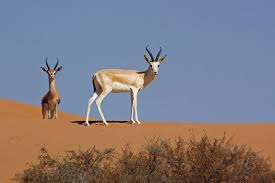
Mountain Gazelle
Mountain gazelles in Egypt are a fascinating and important species that play a crucial role within the ecosystem. These graceful and agile creatures can be found in various regions of Egypt, including the Sinai Peninsula, mountainous areas, and occasionally in other habitats. In this essay, we will analyze 10 key outlines about mountain gazelles in Egypt, exploring their habitat, behavior, diet, threats, conservation efforts, and more.
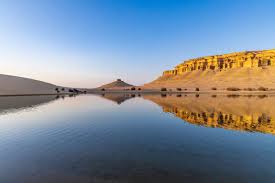
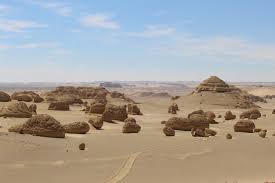
The first outline to consider is the habitat of mountain gazelles in Egypt. These animals are typically found in rocky and mountainous regions, where they can seek shelter and safety from predators. They are well adapted to this rugged terrain, with their keen eyesight and nimble movements allowing them to navigate the landscape with ease. Gazelles in Egypt also inhabit deserts and grasslands, where they can graze on vegetation and find water sources.
Next, it is important to examine the behavior of mountain gazelles in Egypt. These animals are known for their social nature, often forming small herds or groups for protection and companionship. They communicate with each other through vocalizations and body language, allowing them to coordinate movements and alert each other to potential dangers. Mountain gazelles are also known for their incredible speed and agility, which helps them evade predators and navigate their environment effectively.
Another key outline to consider is the diet of mountain gazelles in Egypt. These animals are herbivores, feeding primarily on grasses, leaves, and other vegetation. They have evolved to efficiently digest plant matter, extracting nutrients and energy to sustain their active lifestyles. Mountain gazelles in Egypt must constantly graze and forage for food, as their small size and high metabolism require them to consume frequent meals throughout the day.
One of the biggest threats facing mountain gazelles in Egypt is habitat loss and fragmentation. Human activities such as urbanization, agriculture, and infrastructure development have encroached upon the natural habitats of these animals, leading to a decline in suitable living spaces. As a result, mountain gazelles are often forced to compete for resources with domestic livestock and struggle to find adequate food and shelter. Conservation efforts are critical to addressing this challenge and preserving the habitat of these vulnerable creatures.
In addition to habitat loss, mountain gazelles in Egypt also face threats from poaching and illegal hunting. Despite legal protections in place to safeguard these animals, poachers continue to target mountain gazelles for their meat, hides, and horns. This illegal trade poses a serious threat to the survival of gazelles in Egypt and undermines conservation efforts aimed at protecting them. Law enforcement agencies and conservation organizations must work together to combat poaching activities and enforce regulations to safeguard these animals.
Furthermore, the impact of climate change on mountain gazelles in Egypt cannot be overlooked. As temperatures rise and weather patterns become more extreme, these animals may face challenges in adapting to changing environmental conditions. Droughts, heatwaves, and other climate-related events can disrupt the availability of food and water sources, affecting the health and survival of mountain gazelles in Egypt. Conservation strategies must take into account the potential effects of climate change on these animals and develop resiliency plans to ensure their long-term survival.
Another important outline to consider is the genetic diversity of mountain gazelles in Egypt. These animals play a crucial role in maintaining biodiversity within their ecosystems, contributing to the health and stability of local plant and animal populations. Genetic studies have shown that mountain gazelles exhibit a high level of genetic diversity, which helps them adapt to environmental changes and resist disease outbreaks. Conservation efforts should focus on preserving this genetic diversity through habitat protection and population management strategies.
It is also vital to consider the cultural significance of mountain gazelles in Egypt. These animals have long been revered in Egyptian folklore and traditions, symbolizing grace, agility, and resilience. Gazelles are often depicted in ancient artwork, poetry, and literature as symbols of beauty and freedom. Today, mountain gazelles continue to inspire artists, writers, and conservationists who recognize their importance in Egyptian culture and natural heritage. By celebrating and preserving these animals, society can ensure their cultural legacy for future generations.
Additionally, ecotourism presents a unique opportunity to support the conservation of mountain gazelles in Egypt. These animals are a popular attraction for nature enthusiasts and wildlife photographers, drawing visitors from around the world to observe them in their natural habitats. Sustainable ecotourism initiatives can generate revenue for local communities and conservation organizations, creating incentives to protect mountain gazelles and their habitats. By promoting responsible tourism practices and engaging with visitors, stakeholders can raise awareness about the importance of preserving these charismatic animals.
Lastly, collaboration and cooperation among stakeholders are essential for the conservation of mountain gazelles in Egypt. Government agencies, non-profit organizations, researchers, local communities, and other partners must work together to develop and implement comprehensive conservation strategies. By sharing knowledge, resources, and expertise, stakeholders can maximize the impact of their efforts and achieve long-term success in protecting mountain gazelles and their habitats. Through collaboration and collective action, we can ensure a sustainable future for these iconic animals in Egypt.
In conclusion, mountain gazelles in Egypt are a unique and valuable species that contribute to the biodiversity and cultural heritage of the region. By exploring the 10 key outlines outlined in this essay, we have gained a deeper understanding of their habitat, behavior, diet, threats, conservation efforts, and more. It is clear that mountain gazelles face numerous challenges in a rapidly changing world, but with dedicated conservation and collaboration, we can secure a bright future for these graceful creatures in Egypt. Through continued research, education, and advocacy, we can ensure that mountain gazelles thrive for generations to come.