Ibex
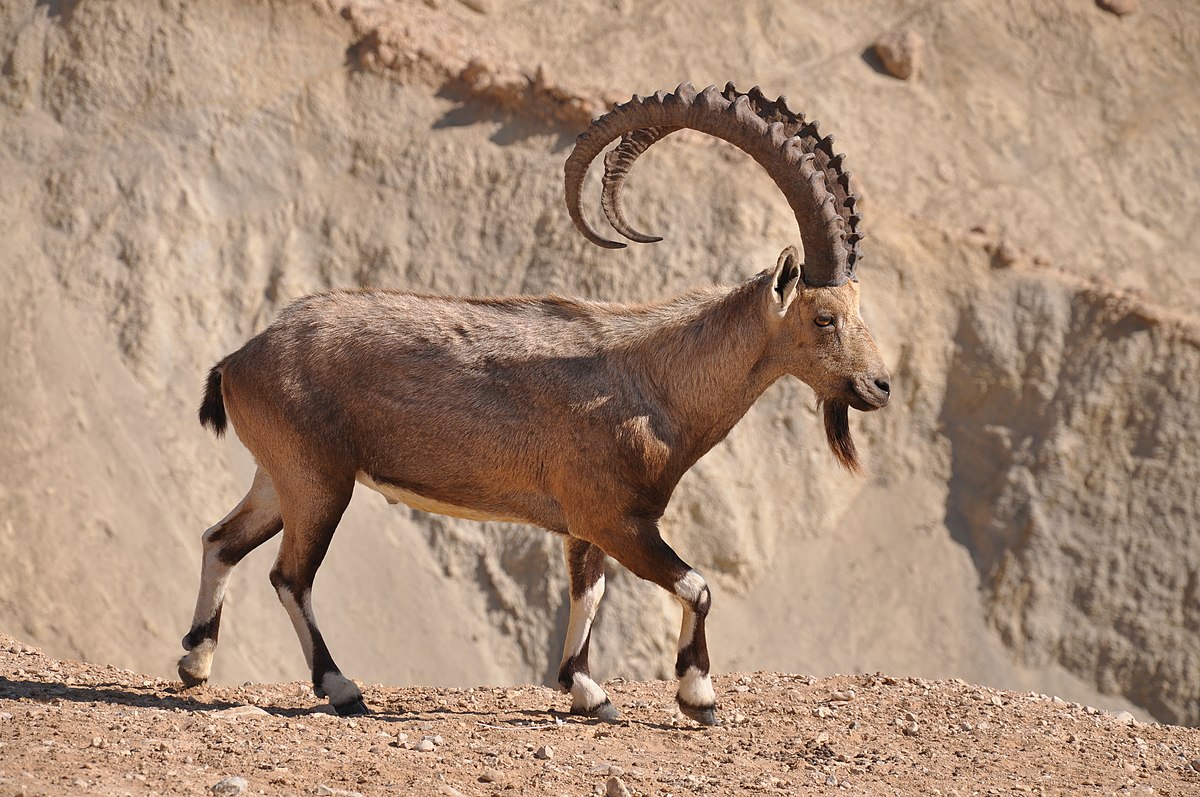
The Ibex, also known as the Nubian Ibex, is a species of wild goat native to the mountainous regions of North Africa and the Arabian Peninsula, including Egypt. The Ibex has adapted to survive in harsh environments and is known for its impressive horns, which can grow up to 1.2 meters in length. In Egypt, the Ibex can be found in the Sinai Peninsula, where they roam the rugged mountains and cliffs in search of food and shelter.
One of the key characteristics of the Ibex in Egypt is their impressive agility and climbing abilities. These goats are well adapted to navigate the steep and rocky terrain of the Sinai Peninsula, using their strong hooves and sure-footedness to scale cliffs and traverse narrow ledges. This ability to navigate challenging landscapes is essential for the Ibex’s survival, as it allows them to access food sources and escape from predators.
The Ibex in Egypt primarily feed on a diet of grasses, herbs, and shrubs, which they graze on while traversing the mountainous terrain. They are opportunistic feeders and will also consume fruits, leaves, and twigs when available. The Ibex’s ability to adapt their diet to the resources available in their environment is crucial for their survival in the harsh and arid landscape of the Sinai Peninsula.
The social structure of the Ibex in Egypt is characterized by small groups or herds, typically consisting of one dominant male and several females and their offspring. During the breeding season, males will compete for dominance and mating rights, engaging in dramatic displays of strength and agility to assert their dominance. The mating rituals of the Ibex are a striking display of the species’ evolutionary adaptations and survival strategies.
The Ibex in Egypt face several threats to their population, including habitat loss, poaching, and competition for resources with domestic livestock. Human activities such as agriculture, mining, and tourism development have encroached on the Ibex’s natural habitat, reducing the availability of food and shelter. Illegal hunting and poaching for meat, horns, and trophies also pose a significant threat to the Ibex population in Egypt.
Conservation efforts are underway to protect the Ibex in Egypt and ensure the long-term survival of this iconic species. National parks and protected areas have been established in the Sinai Peninsula to preserve the Ibex’s natural habitat and prevent further habitat loss. Anti-poaching measures and community-based conservation initiatives are also being implemented to reduce illegal hunting and promote sustainable coexistence between humans and wildlife.
The Ibex’s role in the ecosystem of Egypt is significant, as they play a crucial role in maintaining the balance of the mountainous ecosystem. By grazing on vegetation and dispersing seeds, the Ibex help to promote biodiversity and support the health of the ecosystem. Their presence also serves as an indicator of the overall health of the environment, making them a valuable species for conservation efforts.
In conclusion, the Ibex in Egypt is a fascinating and resilient species that has adapted to survive in the challenging environments of the Sinai Peninsula. Their impressive agility, social structure, and evolutionary adaptations make them a symbol of the natural beauty and biodiversity of Egypt. Conservation efforts are essential to protect the Ibex and ensure that future generations can continue to enjoy the sight of these majestic wild goats roaming the mountains of Egypt.