Barbary Sheep
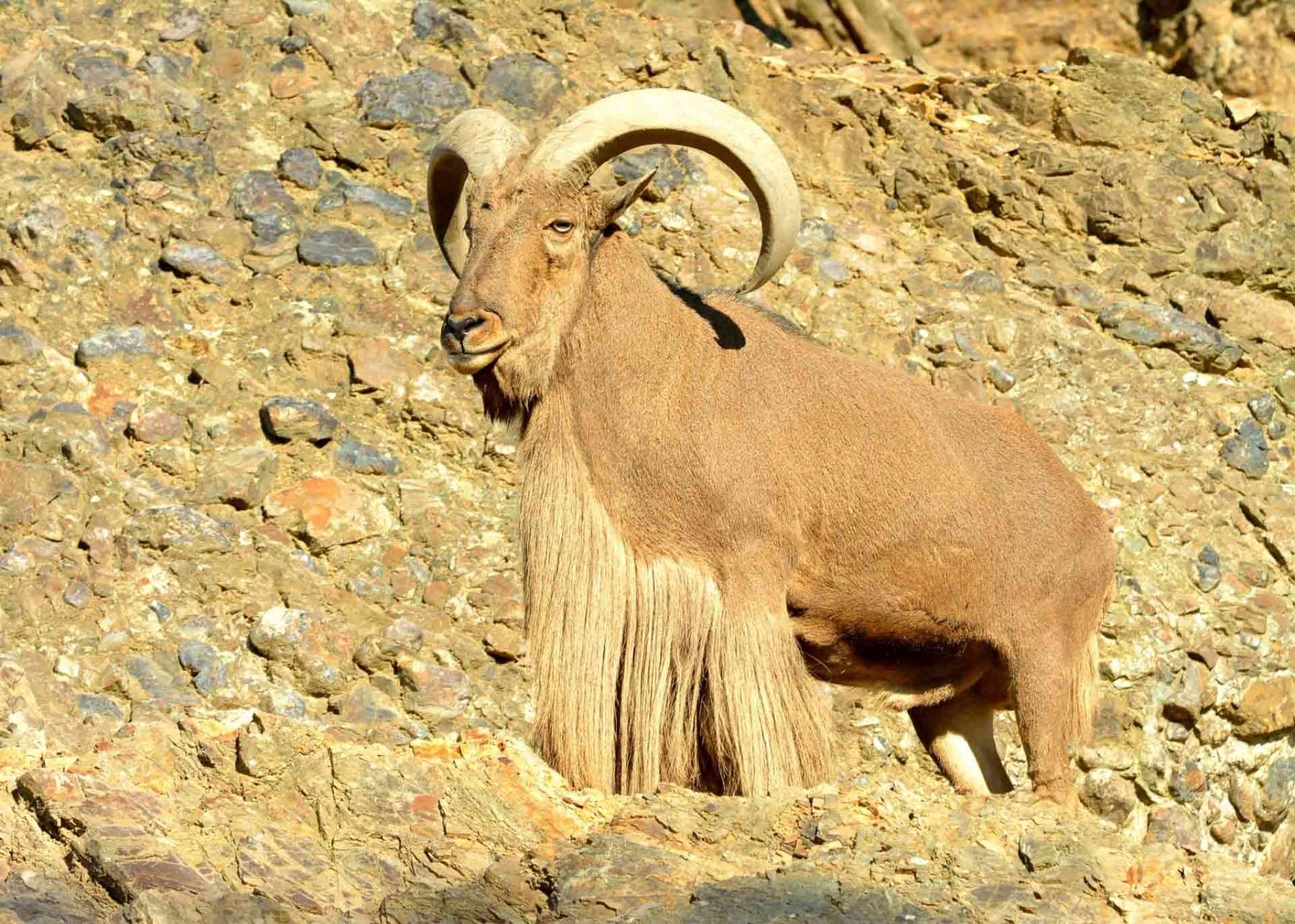
Barbary sheep, also known as Aoudad, are a species of wild sheep native to North Africa, specifically the mountainous regions of the Atlas Mountains. In Egypt, Barbary sheep can be found in the remote desert areas along the border with Libya. These animals are highly adapted to arid environments and have unique characteristics that set them apart from other species of sheep. In this essay, we will explore ten key outlines about Barbary sheep in Egypt and delve into the fascinating world of these magnificent creatures.
Firstly, one of the most striking features of Barbary sheep is their impressive horns. Both males and females have horns, but males typically have larger, more curved horns that can grow up to 30 inches in length. These horns are used for defense, as well as for establishing dominance within the herd. In some cases, the horns of Barbary sheep have been used for traditional crafts in Egypt, showcasing the cultural significance of these animals in the region.
Secondly, Barbary sheep have a unique social structure that is based on a hierarchical system. Within a herd, there is usually a dominant male who leads and protects the group. The males will engage in displays of dominance, such as aggressive posturing and headbutting, to establish their position within the herd. This social structure is crucial for the survival of the group, as it allows for efficient foraging and predator defense.
Thirdly, Barbary sheep are herbivores, primarily feeding on grasses, shrubs, and other vegetation found in their arid habitat. They have specialized digestive systems that allow them to extract nutrients from tough, fibrous plants, making them well-suited to their desert environment. Barbary sheep are also known for their ability to go long periods without water, relying on the moisture content of their food for hydration.
Fourthly, the reproductive behavior of Barbary sheep is fascinating and plays a crucial role in the survival of the species. Mating season typically occurs in the late fall, with males competing for the attention of females through vocalizations and displays of dominance. After a gestation period of around five months, females give birth to one or two offspring, known as lambs. The females are responsible for raising and protecting the lambs, teaching them vital survival skills in the harsh desert landscape.
Fifthly, Barbary sheep are facing threats to their population in Egypt due to habitat loss and hunting pressure. As human development encroaches on their natural habitat, Barbary sheep are losing access to critical resources and facing increased competition with livestock for food and water. Additionally, illegal hunting and poaching pose a significant threat to the survival of these animals, as their horns are highly sought after for trophy hunting and traditional medicine.
Sixthly, efforts are being made in Egypt to conserve and protect the Barbary sheep population. Conservation organizations are working with local communities to raise awareness about the importance of preserving these animals and their habitat. Initiatives such as habitat restoration, anti-poaching patrols, and community-based conservation programs are helping to safeguard the future of Barbary sheep in Egypt.
Seventhly, ecotourism is emerging as a sustainable way to protect Barbary sheep populations in Egypt. Tourists are increasingly interested in experiencing the natural beauty of the desert and observing wildlife in their natural habitat. By promoting responsible ecotourism practices, local communities can benefit economically from the presence of Barbary sheep while also supporting conservation efforts.
Eighthly, research and monitoring are essential for understanding the behavior and ecology of Barbary sheep in Egypt. Scientists are studying the movement patterns, population dynamics, and genetics of these animals to inform conservation strategies and management decisions. By gathering data on Barbary sheep populations, researchers can identify key threats and implement targeted interventions to protect these endangered species.
Ninthly, the cultural significance of Barbary sheep in Egypt cannot be overstated. These animals have long been admired for their resilience and beauty, featuring prominently in local folklore and traditions. Barbary sheep are also important for the biodiversity of the desert ecosystem, playing a vital role in maintaining plant diversity and soil quality.
Tenthly, the future of Barbary sheep in Egypt depends on collaborative efforts between government agencies, conservation organizations, local communities, and other stakeholders. By working together to address the threats facing Barbary sheep and their habitat, we can ensure that future generations will continue to marvel at the grace and majesty of these remarkable creatures in the deserts of Egypt.