Addax
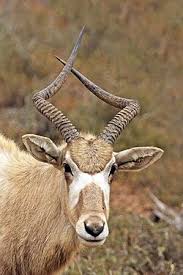
The Addax, commonly known as the white antelope or screwhorn antelope, is a critically endangered species that is native to the Sahara Desert in North Africa, including Egypt. The Addax is a remarkable animal with unique characteristics and adaptations that have allowed it to survive in some of the harshest environments on Earth. In this essay, I will delve into 10 key outlines about the Addax in Egypt and provide in-depth analysis on each point.
First and foremost, the Addax population in Egypt has drastically declined over the past few decades due to various factors such as habitat loss, poaching, and climate change. The Addax was once a common sight in the deserts of Egypt, but now it is estimated that there are only a few dozen individuals left in the wild. This decline in population has raised concerns among conservationists and wildlife officials, prompting them to take action to protect the remaining Addax in Egypt.
One of the main challenges facing the Addax in Egypt is habitat loss. The Sahara Desert, where the Addax primarily resides, is experiencing significant changes due to human activities such as agriculture, urbanization, and desertification. As a result, the Addax is losing its natural habitat and is being forced to compete for resources with other species. Conservation efforts are needed to preserve the remaining habitats of the Addax in Egypt and ensure their survival in the wild.
Poaching is another major threat to the Addax population in Egypt. The horns of the Addax are highly prized in some cultures for their purported medicinal properties, leading to illegal hunting and trade of these animals. Poaching has significantly reduced the number of Addax in Egypt and other parts of North Africa, making it imperative for authorities to crack down on poachers and enforce strict laws against the illegal trade of wildlife products.
Climate change is also a significant factor impacting the Addax population in Egypt. The Sahara Desert is experiencing more frequent droughts and extreme temperatures due to climate change, which is affecting the availability of food and water for the Addax. These environmental changes are putting additional pressure on the already vulnerable Addax population in Egypt, making it essential for conservationists to implement strategies to help these animals adapt to changing conditions.
In addition to the external threats facing the Addax in Egypt, there are also internal challenges that the species faces. The Addax is a slow-reproducing species, with females typically giving birth to only one calf every couple of years. This low reproductive rate makes it difficult for the population to recover from environmental disturbances and human activities that are affecting their survival. Conservationists are working on breeding programs to help increase the population of Addax in captivity and eventually reintroduce them into the wild in Egypt.
Furthermore, the Addax is a highly specialized animal with unique adaptations that have allowed it to thrive in the harsh desert environment of Egypt. The Addax has evolved to survive in arid conditions by having a white coat that reflects sunlight to stay cool and large, spiraling horns that help them dig for water and break through hard desert ground to access food. These adaptations have made the Addax incredibly resilient to desert conditions, but they are no match for the rapid changes brought about by human activities and climate change.
Conservation efforts for the Addax in Egypt are multifaceted and require collaboration between government agencies, non-profit organizations, local communities, and international partners. One such initiative is the establishment of protected areas and wildlife reserves where the Addax can roam freely without fear of poaching or habitat destruction. These protected areas play a crucial role in providing a safe haven for the Addax to breed and forage for food, helping to ensure the long-term survival of the species in Egypt.
Education and outreach programs are also essential in raising awareness about the plight of the Addax in Egypt and garnering support for conservation efforts. By educating local communities about the importance of preserving the Addax and their natural habitat, conservationists can foster a sense of stewardship and responsibility among the public. This, in turn, can lead to increased involvement in conservation activities and a greater commitment to protecting the Addax in Egypt for future generations.
In conclusion, the Addax in Egypt faces numerous challenges that threaten its survival in the wild. From habitat loss and poaching to climate change and low reproductive rates, the Addax is under immense pressure to adapt to rapidly changing environmental conditions. Conservation efforts are crucial in ensuring the continued existence of the Addax in Egypt, and it is imperative for all stakeholders to work together to protect this critically endangered species. By addressing the key outlines outlined in this essay and implementing effective conservation strategies, we can help safeguard the future of the Addax in Egypt and preserve its unique place in the desert ecosystem.