The Ethiopian Hedgehog
TThe Ethiopian Hedgehog (Paraechinus aethiopicus) is a small mammal species native to the countries of Egypt, Ethiopia, and other parts of East Africa. In this essay, we will focus on the Ethiopian Hedgehog specifically in Egypt, examining various aspects of its biology, behavior, habitat, conservation status, and interactions with humans.
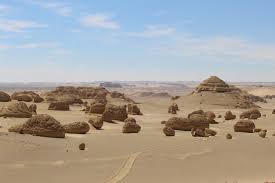
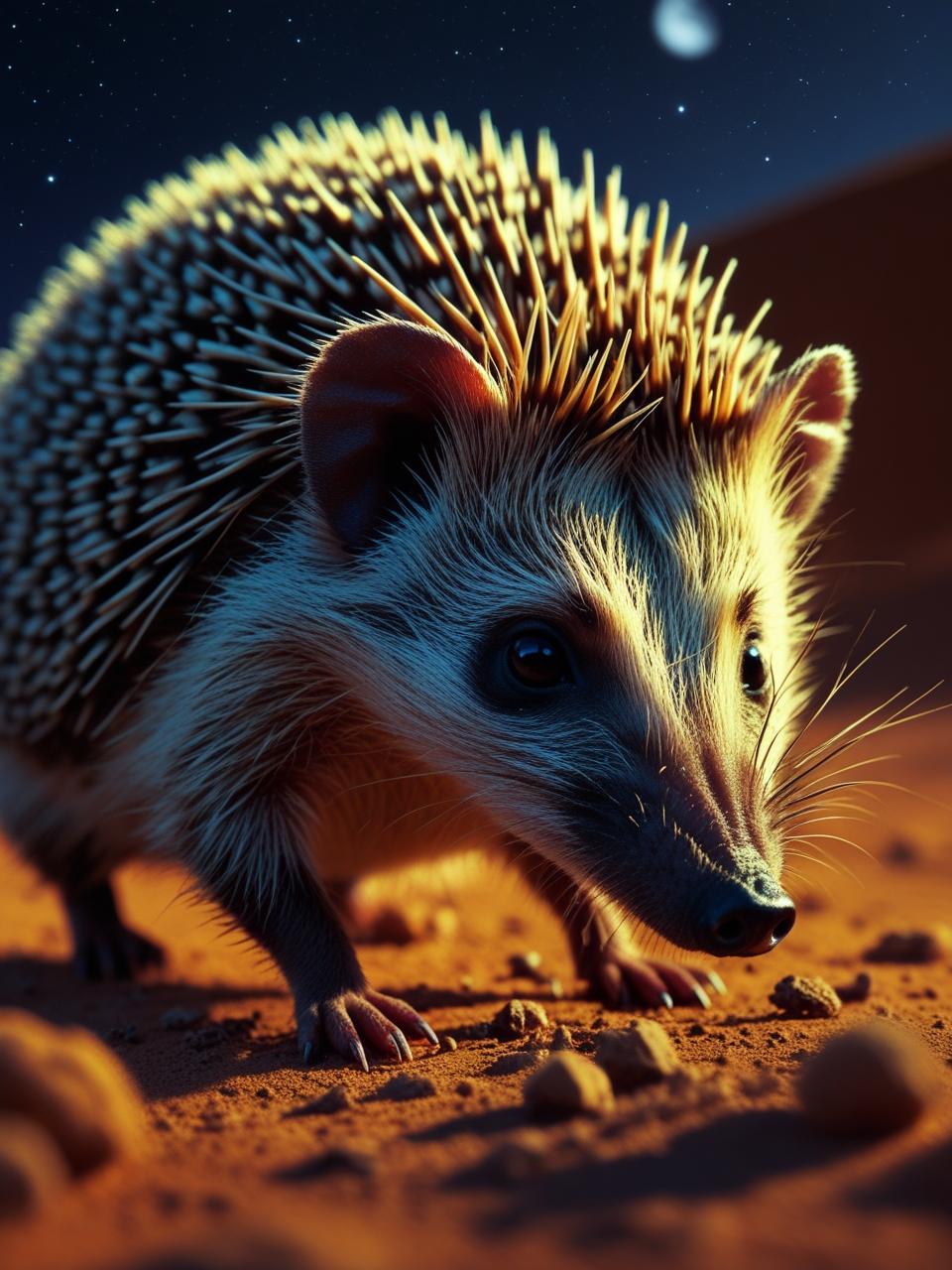
The Ethiopian Hedgehog is a nocturnal animal with a spiny coat of quills that provide protection against predators. These quills are made of keratin, the same substance that makes up human hair and nails. The hedgehog’s diet consists mainly of insects, snails, worms, and other small invertebrates that it scavenges for in its environment. In Egypt, the hedgehog can be found in a variety of habitats, including deserts, grasslands, and cultivated areas.
One interesting aspect of the Ethiopian Hedgehog’s behavior is its hibernation habits. In the winter months, when food is scarce, the hedgehog will enter a state of torpor to conserve energy. During this time, its metabolic rate decreases, and it may not need to eat or drink for extended periods. This adaptation allows the hedgehog to survive in harsh environments where food sources are limited.
The Ethiopian Hedgehog plays an important role in its ecosystem as a predator of insects and other small animals. By feeding on pests like beetles and caterpillars, the hedgehog helps to control their populations and maintain a healthy balance in the environment. In this way, the hedgehog contributes to the overall biodiversity of its habitat.
Despite its ecological importance, the Ethiopian Hedgehog faces threats in Egypt due to habitat loss, pollution, and human activities. Deforestation, urbanization, and agricultural expansion have reduced the hedgehog’s natural habitat and fragmented its populations. Additionally, pollution from pesticides and other chemicals can harm the hedgehog directly or indirectly by reducing its food sources.
Conservation efforts are needed to protect the Ethiopian Hedgehog and ensure its survival in Egypt. One approach is to establish protected areas where the hedgehog can live undisturbed and where its habitat can be preserved. Educating the public about the importance of hedgehogs and their role in the ecosystem can also help to garner support for conservation initiatives.
In conclusion, the Ethiopian Hedgehog is a fascinating and important species that plays a vital role in the ecosystem of Egypt. By understanding its biology, behavior, habitat, and conservation status, we can work towards ensuring the continued survival of this unique animal. Through conservation efforts and public awareness, we can help to protect the Ethiopian Hedgehog and its habitat for future generations to enjoy.
Firstly, let us discuss the physical characteristics of the Long-Eared Hedgehog. These creatures have a distinctive appearance, with long ears that give them their name. They are covered in spines that provide protection against predators, and they have a pointed snout and small eyes. Long-Eared Hedgehogs are typically around 15-25 centimetres long, with a tail that is around 2-4 centimetres in length.