Long-eared Hedgehog
The Long-Eared Hedgehog, scientifically known as Hemi echinus auritus, is a small mammal that belongs to the family Erinaceidae. These hedgehogs are native to Egypt and can be found in various habitats, including deserts, forests, and agricultural areas. In this essay, we will explore ten outlines about the Long-Eared Hedgehog in Egypt, discussing their behaviour, diet, habitat, conservation status, and more.
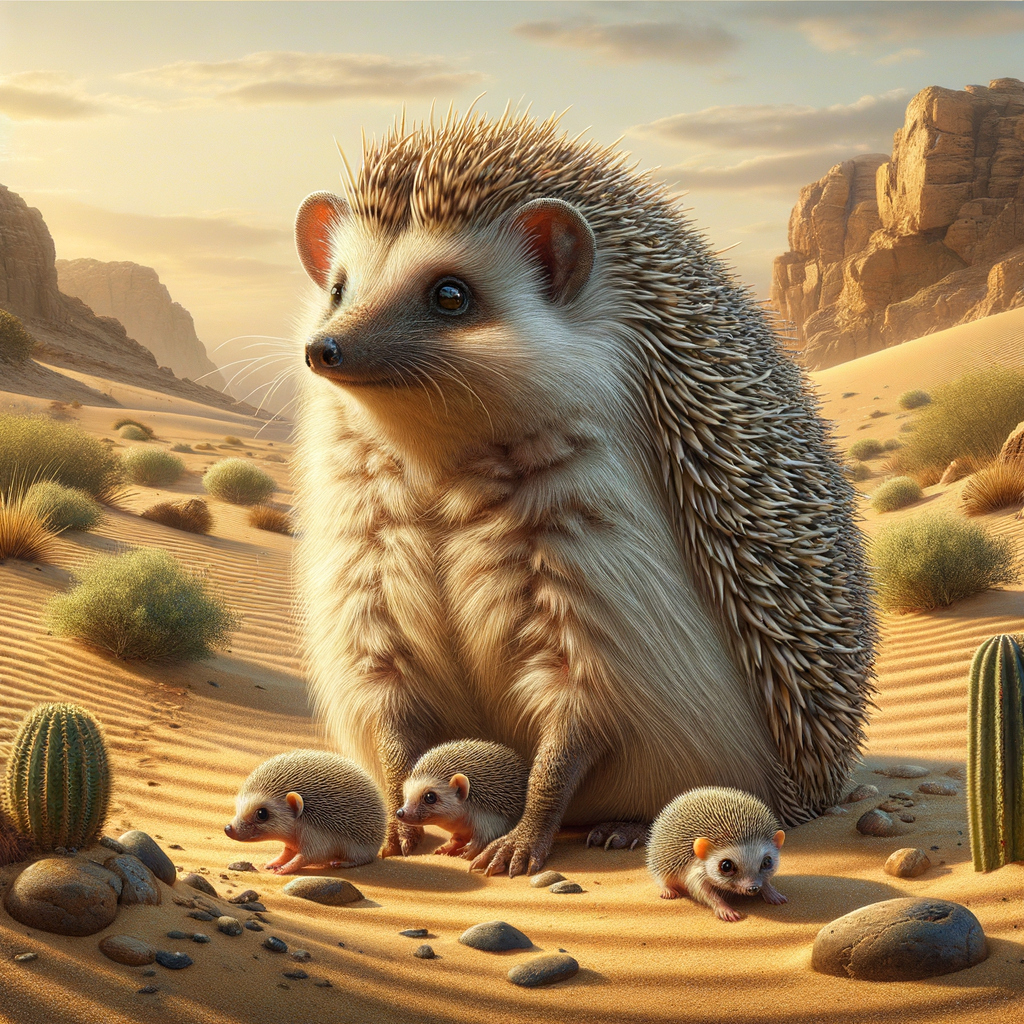
Firstly, let us discuss the physical characteristics of the Long-Eared Hedgehog. These creatures have a distinctive appearance, with long ears that give them their name. They are covered in spines that provide protection against predators, and they have a pointed snout and small eyes. Long-Eared Hedgehogs are typically around 15-25 centimetres long, with a tail that is around 2-4 centimetres in length.
Secondly, we will explore the behaviour of Long-Eared Hedgehogs in Egypt. These animals are primarily nocturnal, meaning they are most active during the night. They are solitary creatures that spend their days hiding in burrows or under rocks to escape the heat of the desert. Long-Eared Hedgehogs are also known for their unique defence mechanism of rolling into a tight ball when threatened, exposing only their spines to potential predators.
Next, let us consider the diet of Long-Eared Hedgehogs in Egypt. These animals are omnivores, meaning they eat a variety of foods, including insects, small vertebrates, fruits, and seeds. In the wild, they forage for food using their keen sense of smell and hearing. Long-Eared Hedgehogs play an essential role in controlling insect populations in their ecosystems, making them valuable members of the local wildlife community.
Moving on, we will discuss the habitat of Long-Eared Hedgehogs in Egypt. These creatures can be found in a range of habitats, from arid deserts to more fertile agricultural areas. They are adaptable animals that can survive in diverse environments, provided they have access to suitable shelter and food sources. Long-Eared Hedgehogs are well-equipped to deal with the harsh conditions of the desert, thanks to their specialized adaptations.
Furthermore, let us touch on the conservation status of Long-Eared Hedgehogs in Egypt. While these animals are not currently listed as endangered, they face threats from habitat loss, pollution, and human disturbance. Conservation efforts are essential to ensure the long-term survival of Long-Eared Hedgehogs in Egypt and other regions where they are found. Researchers are studying these animals to gain a better understanding of their ecology and behavior to inform conservation strategies.
Another important aspect to consider is the reproduction and life cycle of Long-Eared Hedgehogs in Egypt. These animals typically mate in the spring and summer, with females giving birth to one to seven baby hedgehogs after a gestation period of around 30 days. The young hedgehogs, known as hoglets, are born blind and hairless but quickly grow spines within a few weeks. They are weaned from their mother’s milk after about six weeks and become independent shortly after.
In addition, let us explore the interactions between Long-Eared Hedgehogs and other species in their ecosystem in Egypt. These animals play a vital role in the food chain, as predators of insects and other small creatures. They also serve as prey for larger predators, such as owls, snakes, and foxes. Long-Eared Hedgehogs have coevolved with their environment, developing unique adaptations to survive and thrive in their natural habitat.
Moreover, we will delve into the cultural significance of Long-Eared Hedgehogs in Egypt. These animals have been part of Egyptian folklore and traditions for centuries, symbolizing protection and resilience. Some communities view Long-Eared Hedgehogs as symbols of good luck or fortune, while others see them as mysterious creatures with supernatural powers. Understanding the cultural significance of these animals can help promote their conservation and appreciation among local populations.
Lastly, let us consider the future prospects for Long-Eared Hedgehogs in Egypt. As human activities continue to impact the natural world, it is crucial to prioritize the conservation of species like the Long-Eared Hedgehog to maintain biodiversity and ecosystem balance. Education, research, and habitat protection are key strategies for ensuring the survival of these fascinating creatures for future generations to enjoy.
In conclusion, the Long-Eared Hedgehog plays a vital role in Egypt’s ecosystem, showcasing unique adaptations and behaviours that highlight their importance in the natural world. By studying and conserving these animals, we can gain valuable insights into desert ecology and promote the coexistence of humans and wildlife. Long-Eared Hedgehogs are not just fascinating creatures but also essential contributors to the biodiversity of Egypt, making them worthy of our admiration and protection.